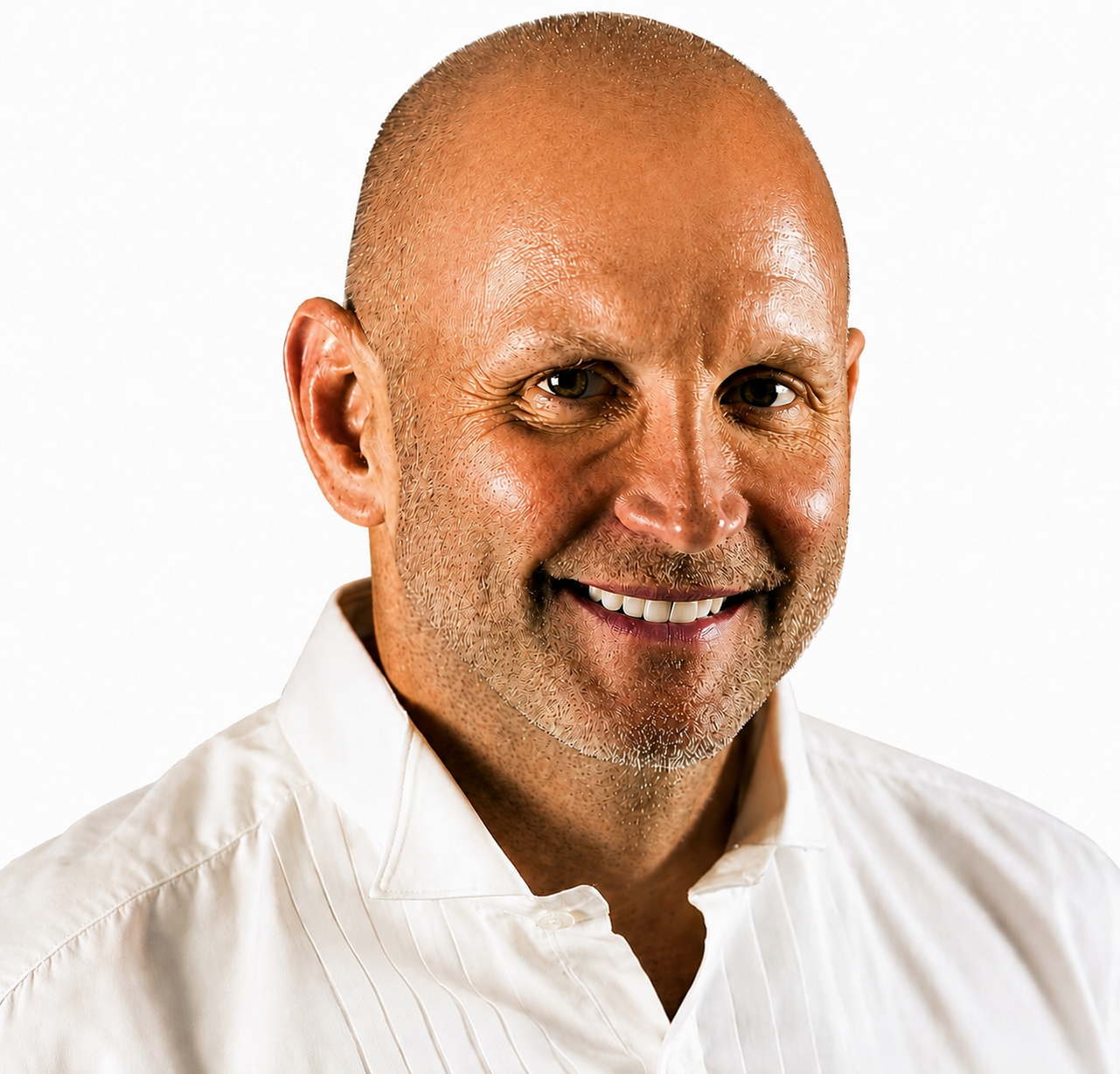
Steven M. Muskal, Ph.D.
AI Pioneer | Drug Discovery Expert | Creative Innovator | Serial Inventor
CEO of Eidogen-Sertanty with over 40 years at the intersection of AI, chemistry, biology, and drug discovery. Host of the Renaissance Circle podcast. Builder of Study with Hannah, AI-Steve, Food Health Scan, and AI-Dad.


Professional Excellence
Current Leadership
Chief Executive Officer - Eidogen-Sertanty
Leading the development of innovative AI-driven solutions for drug discovery and computational chemistry,
bridging the gap between molecular science and practical therapeutic applications.
Areas of Expertise
AI & Machine Learning
Four decades of experience applying AI to solve complex scientific challenges
Drug Discovery
Pioneering computational approaches to accelerate therapeutic development
Computational Chemistry
Expert in molecular modeling and structure-based drug design
Data Science
Advanced analytics and big data solutions for life sciences
Music & Creative
Drumming, recording, and creative collaborations in my music studio
Career Highlights
Distinguished Career Path
- Chief Executive Officer - Eidogen-Sertanty, Inc., since June 2003
- Founder and CEO - Sertanty, Inc., since 2003, which acquired Eidogen
- Chief Technology Officer, VP Informatics - Libraria, Inc., 2000 to 2003
- Unit Director, Director of Scientific IT - Affymax Research Institute and Glaxo Wellcome, 1995 to 2000
- Product Manager, Senior Scientist - Molecular Design Limited, 1991 to 1995
- Advisory Board - Mindgram.ai 2021 to 2024, Model Medicines 2019 to 2024, and 1859, Inc. 2022 to 2023
Education
- Ph.D. in Chemistry, Biophysical Chemistry - University of California, Berkeley, 1988 to 1991. Thesis: Predicting features of protein structure with computer simulated neural networks.
- B.Sc. in Engineering Chemistry and Computer Science - Colorado School of Mines, 1984 to 1988
Deep Dive Audio
Listen to audio versions of my articles and insights. Each Substack article has an accompanying audio deep dive.
🎧 Site Overview Audio
Get a complete audio summary of my work, research, and creative projects.
Projects
All projects →Project sites: predicthia · ToxPred · PharmCast · Reverse Screen · Family Foundation Model · GPCR Foundation Model · Kinase Foundation Model

Study with Hannah: Medical School Study Cards
Searchable medical school study cards with USMLE prep notes, medical image search, and an AI study tutor.

AI-Steve
Personal research and coaching assistant grounded in PostgreSQL embeddings of email, calendar, photos, and chats.

AI-Dad
Conversational AI that preserves voice, wisdom, and stories across generations.
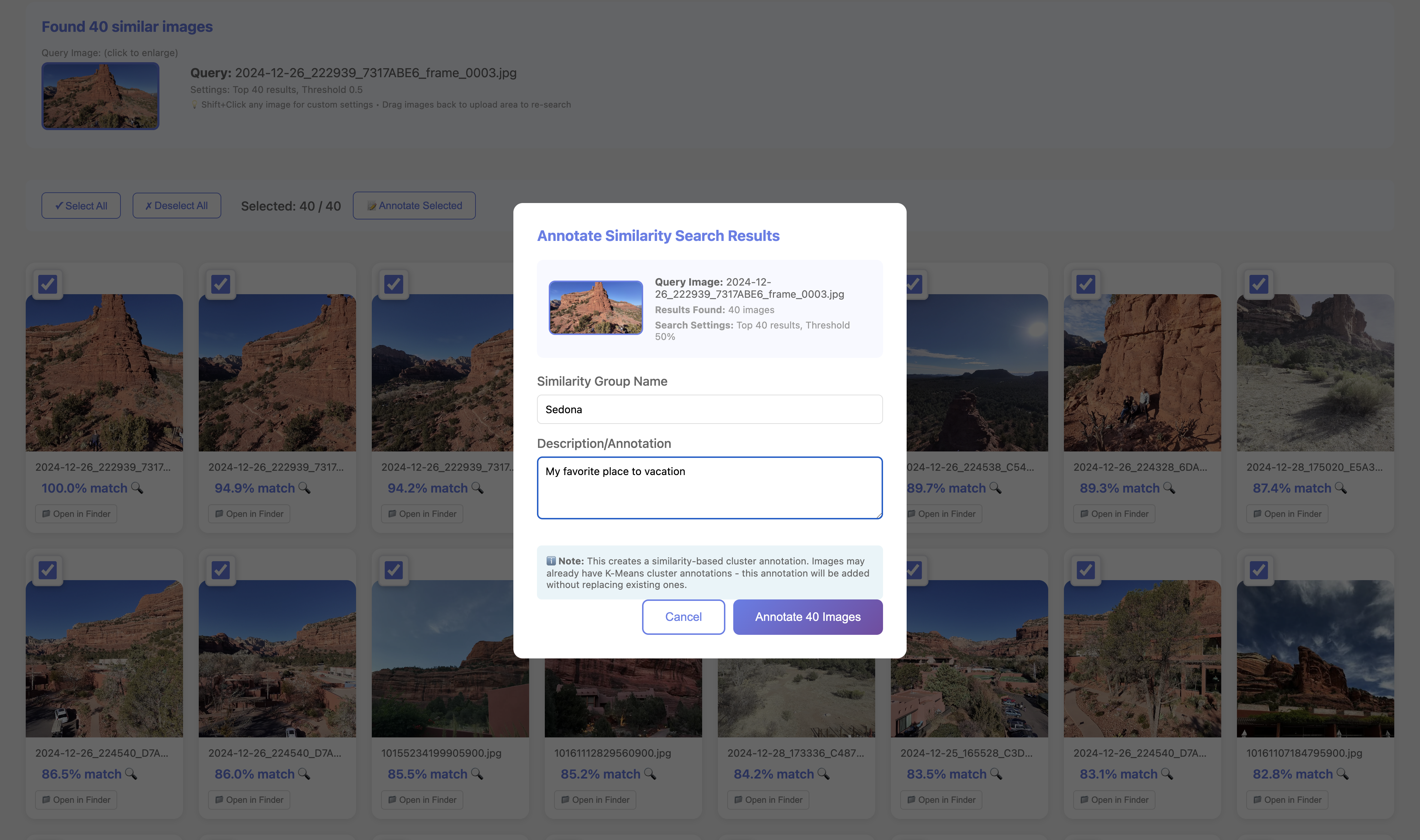
Image Explorer
CLIP plus pgvector visual memory engine for similarity search, clustering, and annotation.
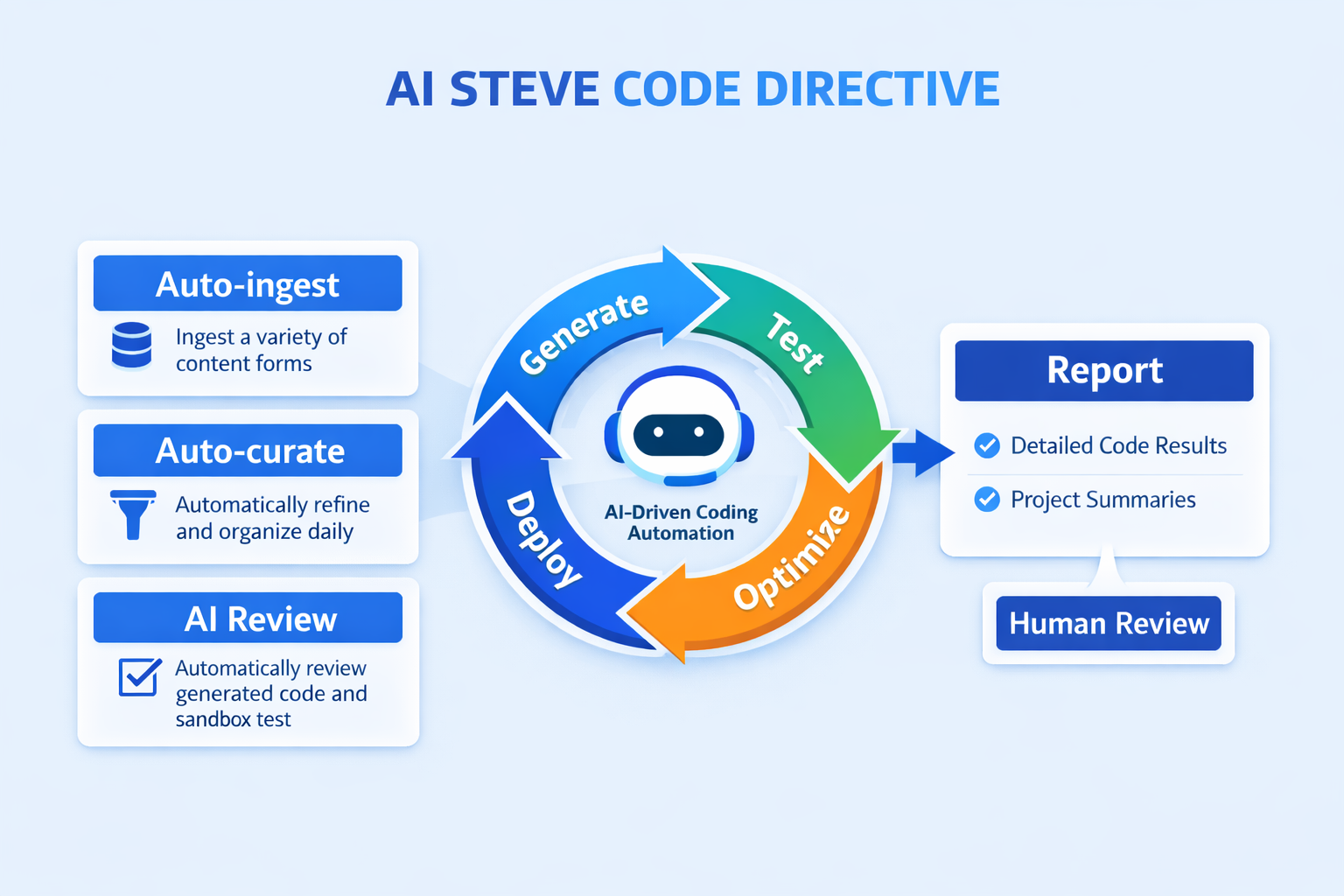
AI-Steve Code Directives
Domain-specific auto-coding workflows that wrap project directions in AI-Steve context.

Food Health Scan
iOS and Android app turning meals into structured nutrition data via photo capture and AI analysis.

Food Health TxD
Diabetes-aware companion to Food Health Scan: AI carb and macro estimation paired with continuous glucose monitor data.
ShareHealth
iOS companion for clean Apple Health exports, daily signals, and shareable reports.
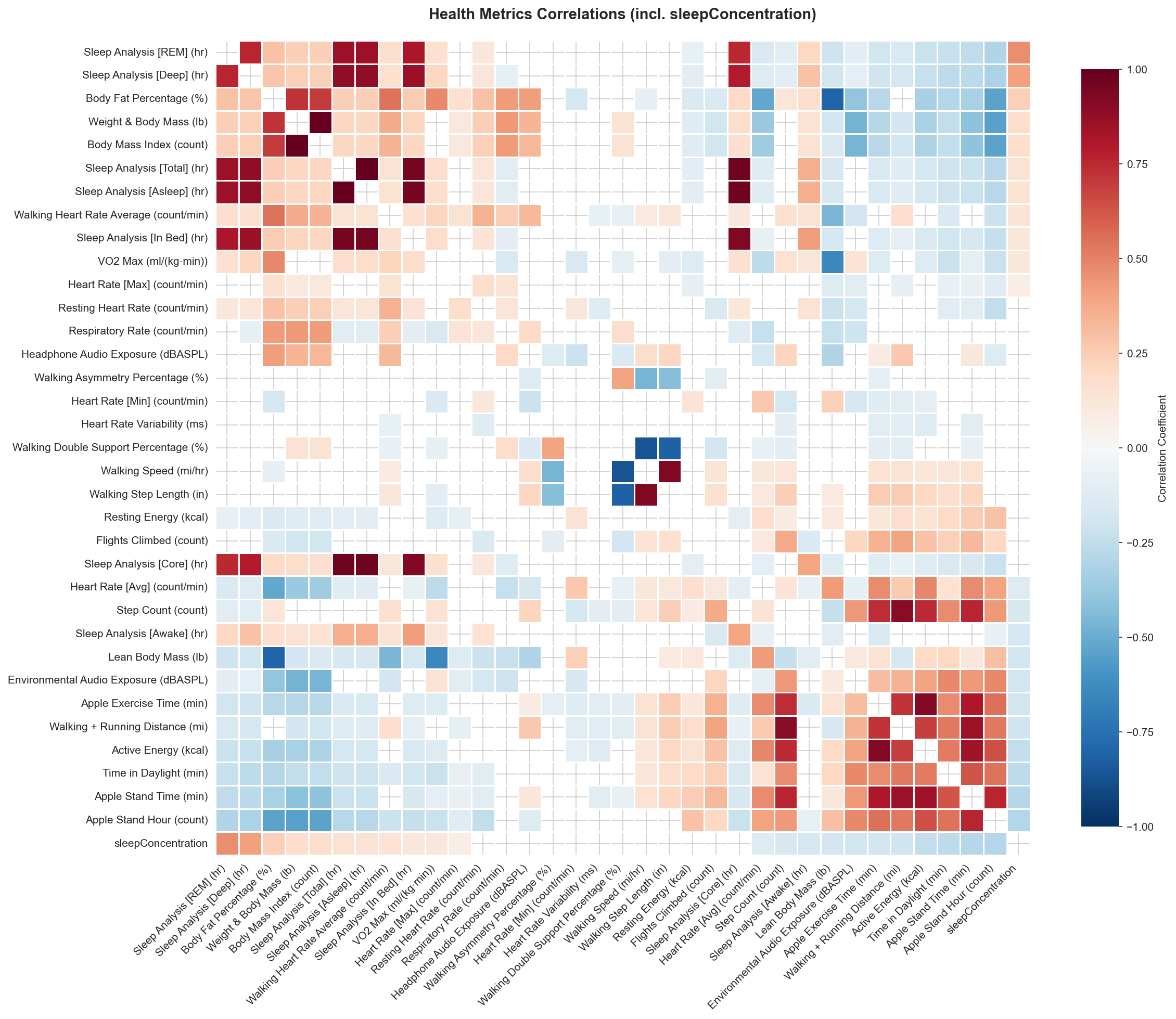
Apple Health Integration
Quantified sleep and recovery analytics inside AI-Steve using Apple Health exports.
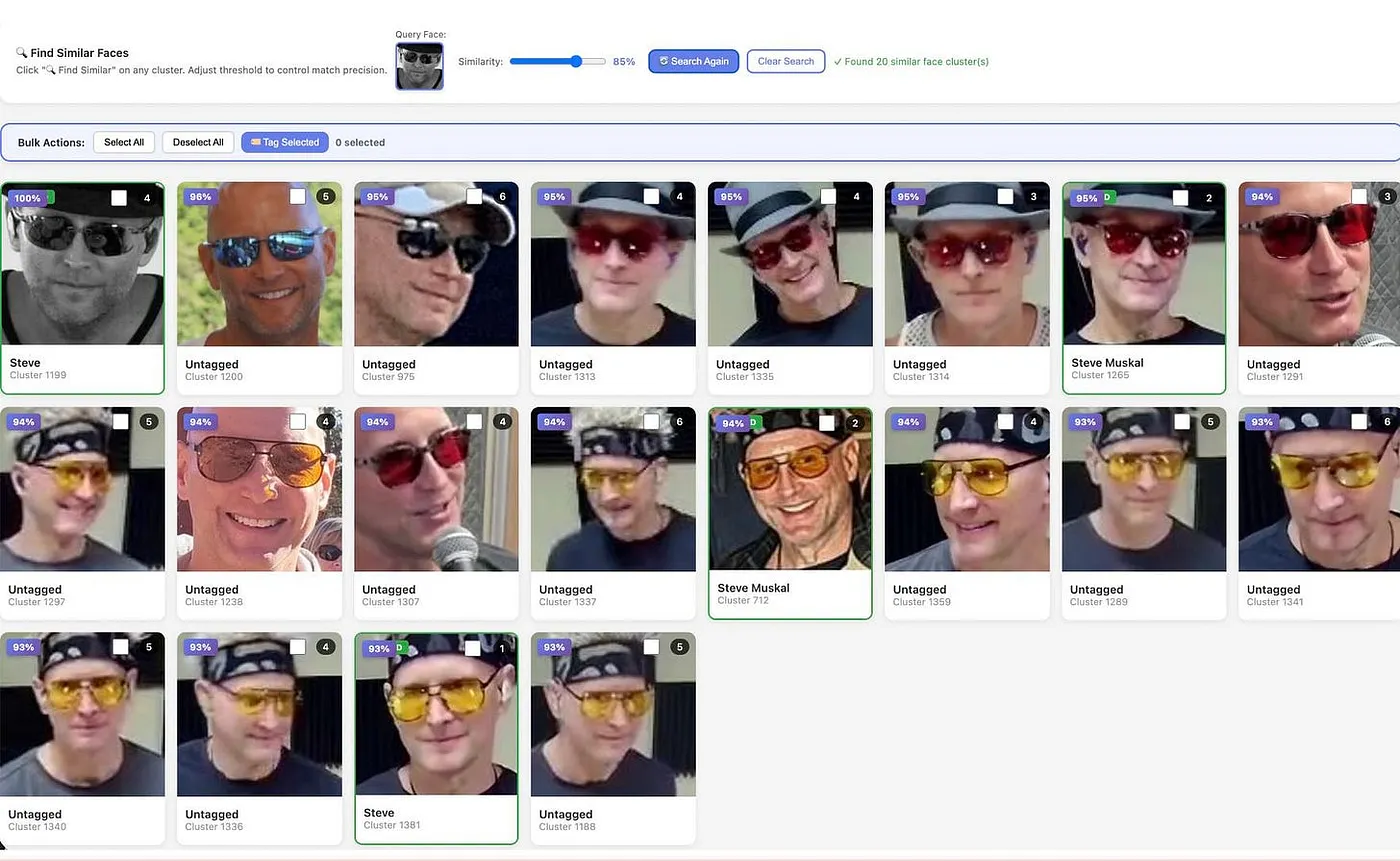
Face → Health
Longitudinal vision signal for sleep and wellness modeling from daily face imagery.
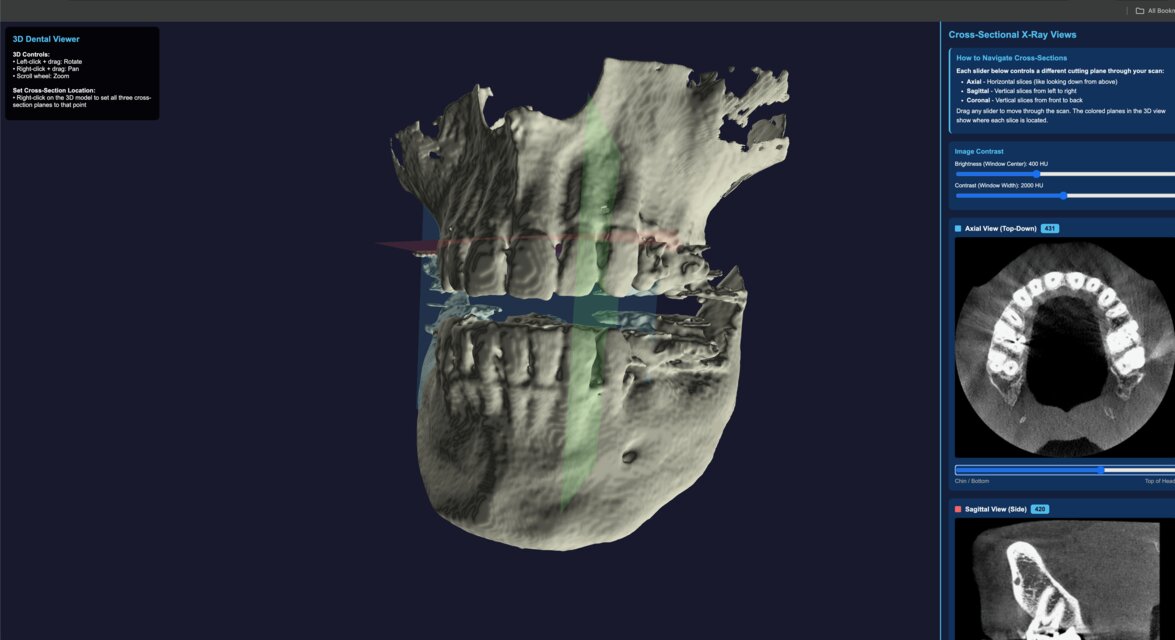
CT Viewer
DICOM-to-browser viewer with 3D rotation and cross-sectional navigation.
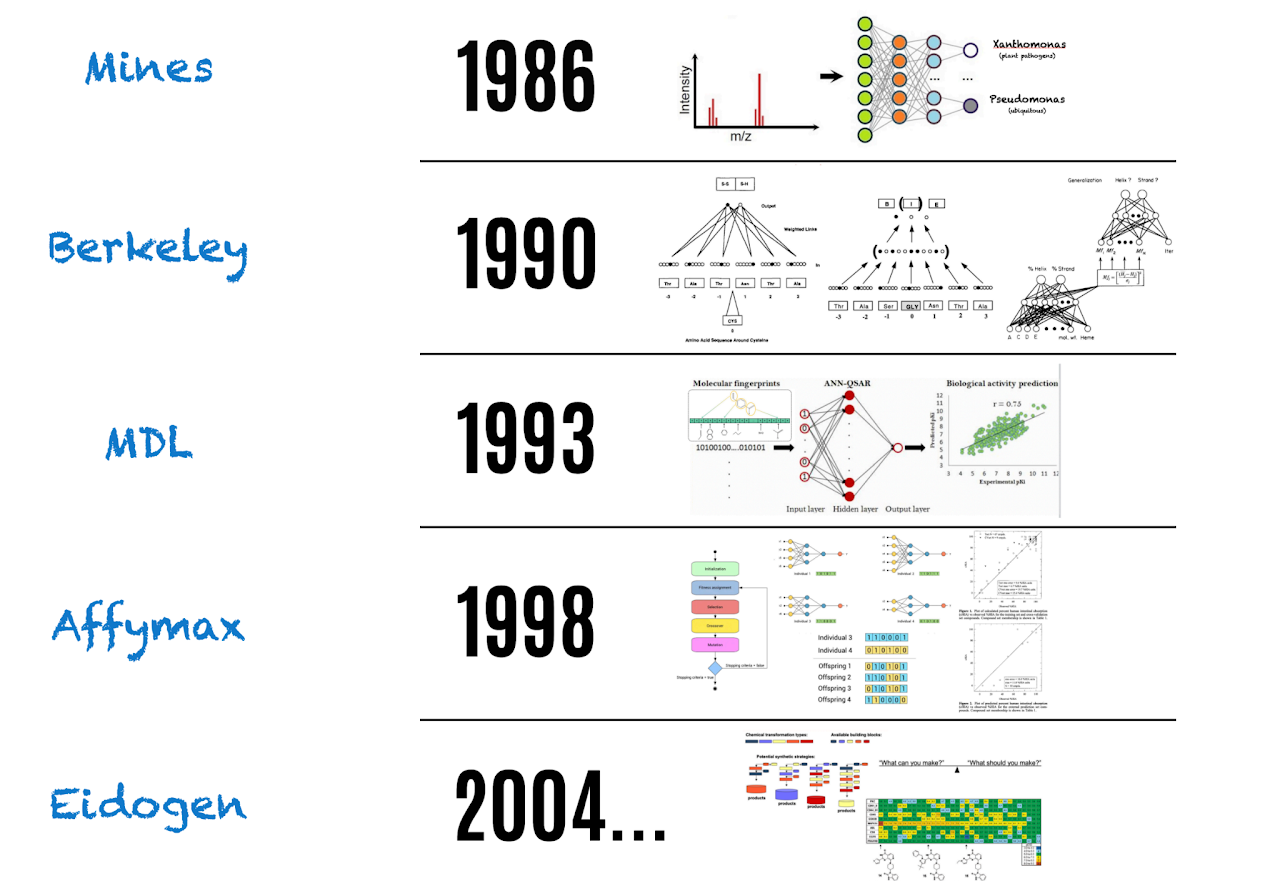
AI-Driven Drug Discovery
Machine learning models for drug-target prediction and lead optimization.

Polypharmacophore / PharmPrint
3D pharmacophore fingerprinting for virtual screening and natural-product matching.
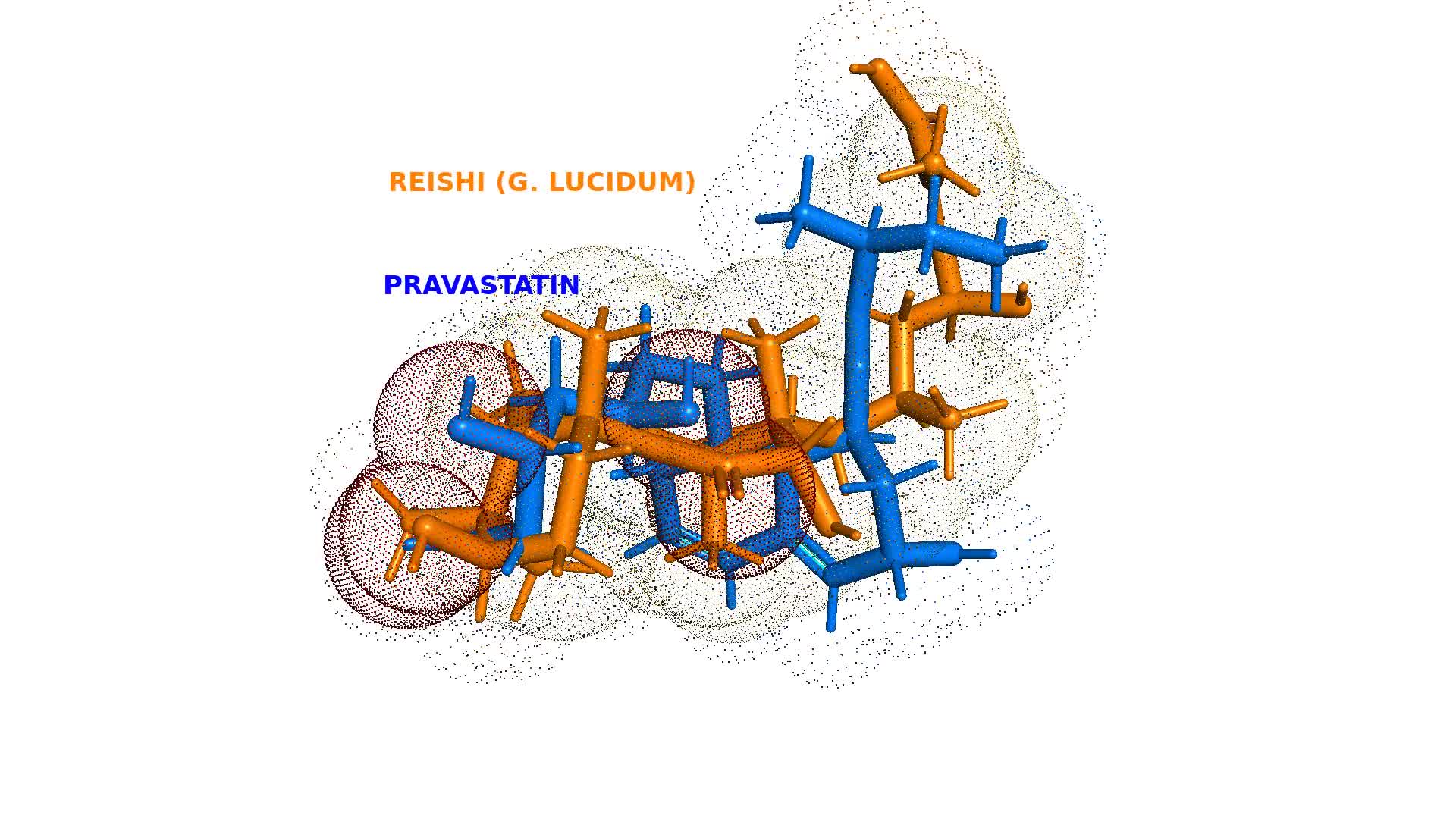
Drug to Table
Finding therapeutic compounds hidden in food through molecular similarity.

Toast Our Friend
A celebration engine for gathering stories, photos, gratitude, and memory.
 Renaissance Circle Podcast
Steven M. Muskal, Ph.D. - AI Pioneer, Drug Discovery Expert, Innovator, and Musician
Explores science, business, and the art of feeling good.
Where innovators, scientists, and entrepreneurs discuss the future of health and performance
📼 Latest: What Are We Going to Do With All This Intelligence?
Steve met Tim Lewis in an observatory, and the two of them kept talking long after everyone else had headed out. Tim photographs the night sky, plays bass to Steve's drums, and has a habit that runs through the whole conversation: once he understands something, he wants to bring somebody else into it. The talk moves from a homemade telescope fix to the Orion Nebula, consciousness, and the few seconds when a band locks in, with Tim pushing back on one point that sticks: zooming out can make our problems insignificant without making us insignificant.
Then the practical question. Steve no longer wants to write code; he describes what he wants, inspects it, tests it and improves it, and that sent him back to a human intestinal absorption model he built at Affymax a quarter century ago from 86 compounds. Rebuilt with roughly 780, the original result reproduced, but resampling the train and test split showed the original split had been one of the favorable ones, so the new report says so and the model is available at predicthia.ai, with toxicity prediction at ToxPred. They finish on an expanding sphere of care, pharma data sharing, and incentives: abundance only matters if the people building these tools are measured by how much they actually help.
Recent Articles
All articles →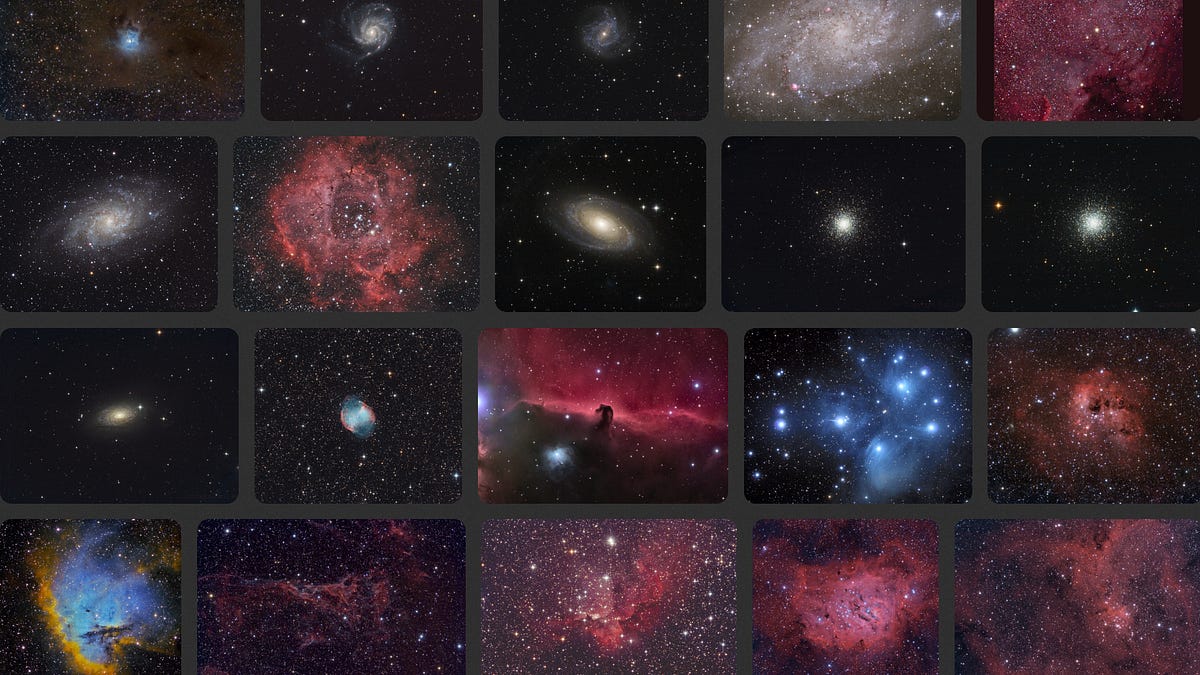
What Are We Going to Do With All This Intelligence?
Astrophotographer and bassist Tim Lewis on curiosity, better tools, revisiting a 25-year-old absorption model, and making what we know useful to somebody else.
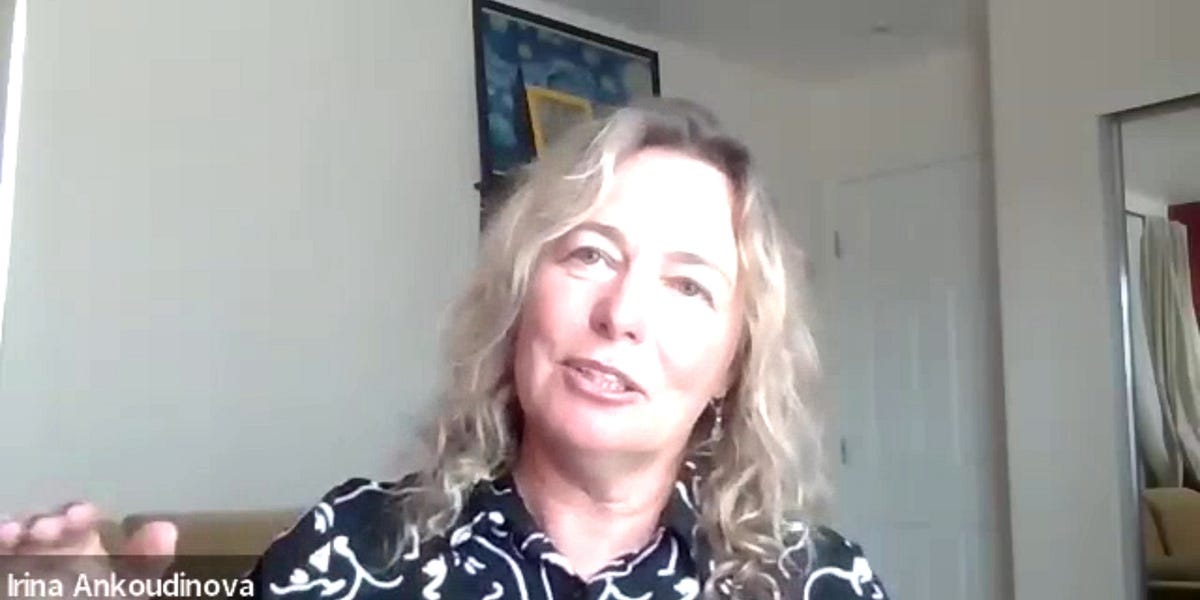
From Displacement to Reconnection
Irina Ankoudinova's own technology kept making her obsolete. Now she wants to bring Ukraine's land back, and she needs about five people.

We Are Optimizing the Wrong Objective in Biology
My shopping cart registered an infection four days before my sensors did. Why medicine should optimize trajectory, not structure, and how everyday data already proves it.
AI for Everyone
Natural-language tools now let anyone build real software. The case for teaching everyone to create with AI instead of gatekeeping it, as competitive advantage and human flourishing.
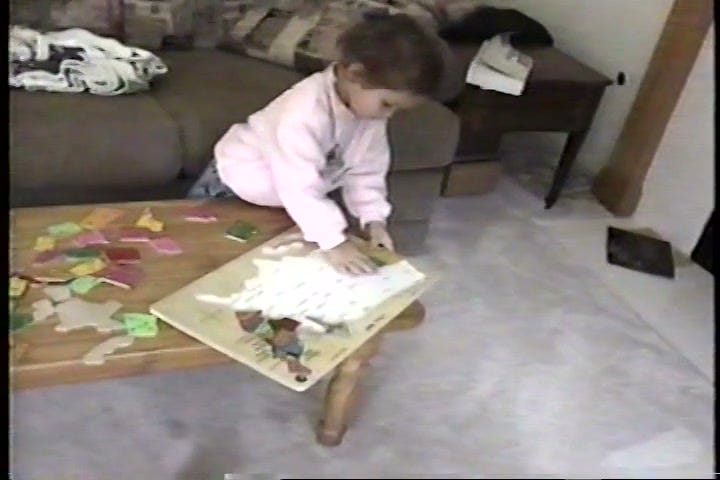
That Go There
A toddler, a wooden state puzzle, and a tape that outlived five formats: why the memories worth keeping need a body that can move.

Study with Hannah
62,000 medical school study cards, an AI tutor built in a day, and one question: if schools can monetize educating students, why can't students own what they build?
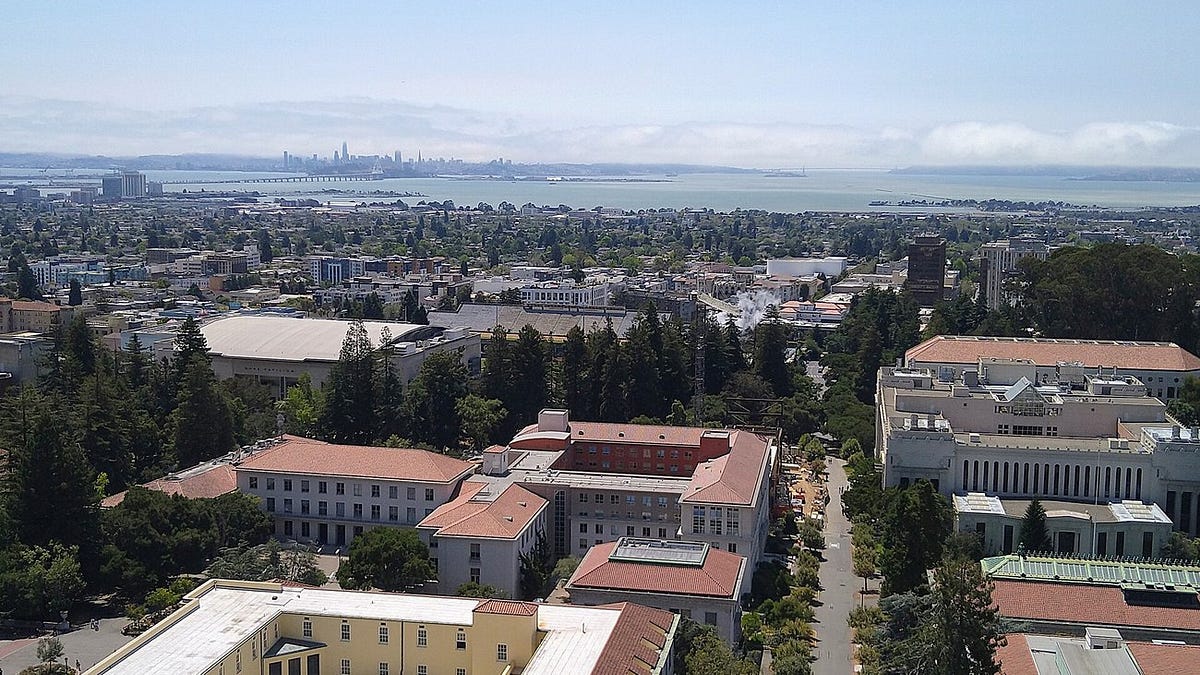
Universities Built the Bomb. Now Build This.
Berkeley and its peers can build citation-backed AI knowledge systems from their research, courses, libraries, and faculty expertise.
Toast Our Friend
Toast Our Friend turns celebrations of life into something people can receive while they are still here: stories, photos, gratitude, and memory gathered into living circles.
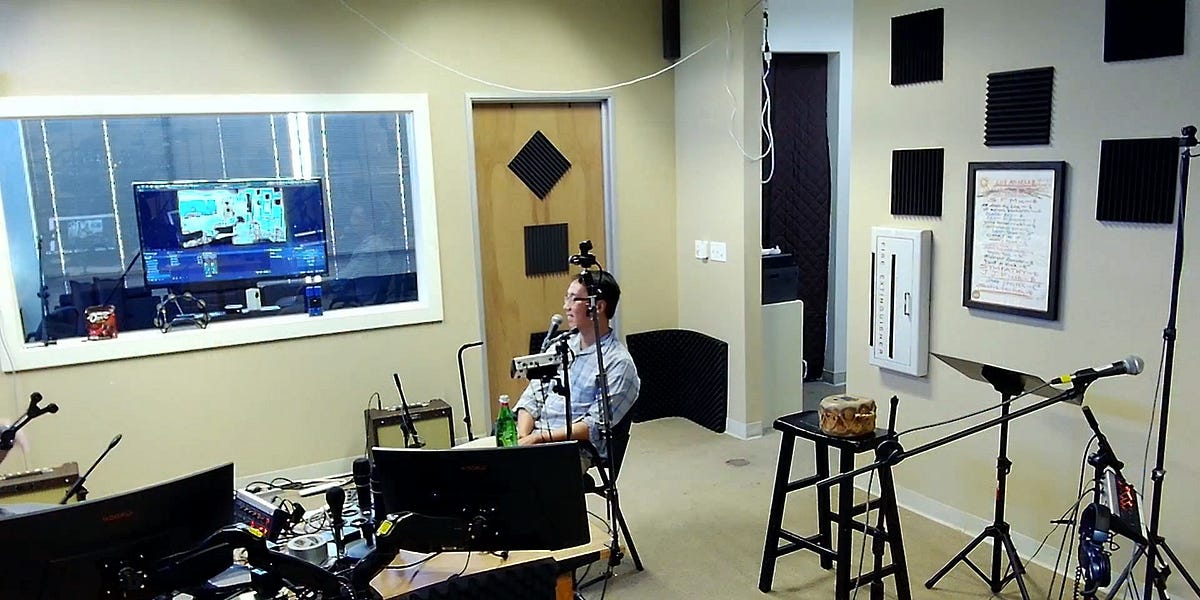
Same Lab, Different Decades
Steven Muskal and Jonas Lee connect the Sung-Hou Kim Lab, structural biology, AI drug discovery, China biotech, open-source pharma, and prevention.
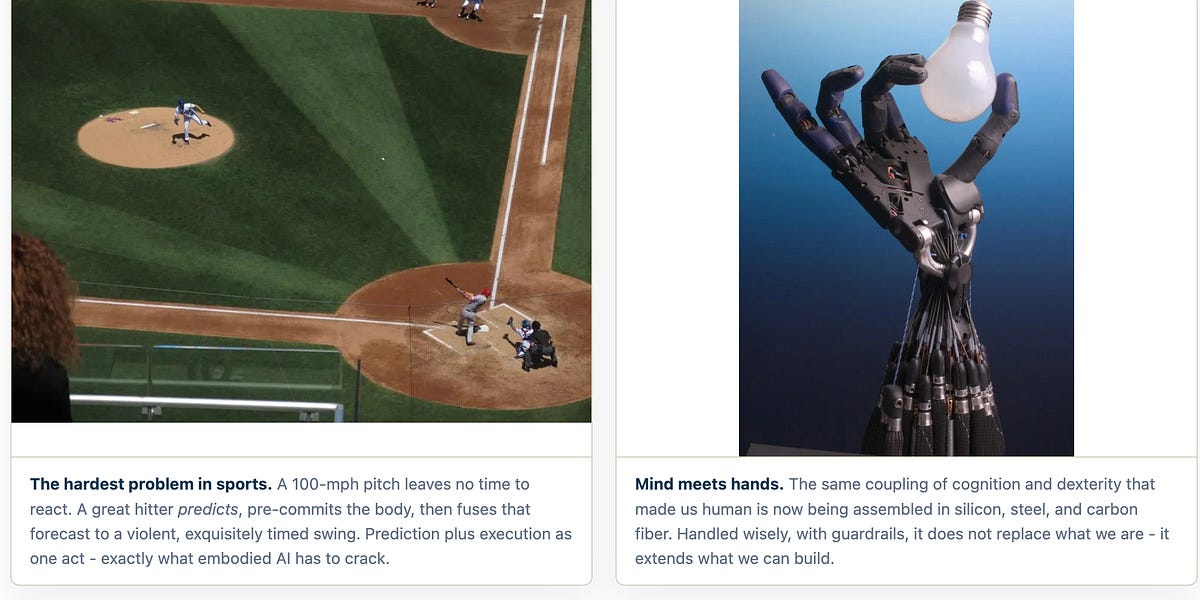
The Rise of the Machine
From America's software bet and China's robotics push to dexterous hands, autonomous vehicles, lightness, energy, and labor disruption, AI is stepping out of the data center.
Music & Creative Sessions
All sessions →Example Presentations
Recent
My 38-Year Journey with Neural Networks: Can They Further Unlock Pichia's Potential?
Conference presentation on the application of neural networks to unlock the potential of Pichia pastoris in biotechnology and protein expression systems.
Blast From The Past
Historic Presentation from 2010 (15+ years ago. Always on the "bleeding edge...")
A look back at research and insights from 2010.